

Bitkingz casino Plinko game
Introduction
I have reviewed plenty of casino products that try to look complex in order to feel exciting. Plinko does the opposite. At first glance, it is one of the simplest formats you can open on a gambling platform: you choose a stake, set a risk level, drop a ball, and watch it bounce through a field of pegs until it lands in a payout slot. That simplicity is exactly why Bitkingz casino Plinko catches attention so quickly. It is easy to understand in seconds, but the actual playing experience can vary sharply depending on how the settings are used.
For players in New Zealand who want to know whether Plinko is worth trying, the key point is this: the attraction of the game does not come from storylines, bonus rounds, or long feature chains. It comes from visible randomness, fast resolution, and the tension created by a very clear trade-off between frequent smaller returns and rare larger multipliers. In practice, that makes Plinko feel more direct than many slots and more emotionally immediate than a lot of traditional Bitkingz Casino game library review for online casino players.
What matters before launching it is not just how it looks, but what it asks from the player. Plinko rewards people who understand variance, session control, and pacing. It can be entertaining in short bursts, but it can also become expensive very quickly if the player mistakes a simple interface for a low-impact format. That is the part many surface-level Bitkingz Casino Trustpilot ratings skip. I will focus on the real logic of the game, how the rhythm works, where the pressure points are, and what a player should realistically expect from Bitkingz casino Plinko before placing a single bet.
What Plinko is and why it draws so much attention
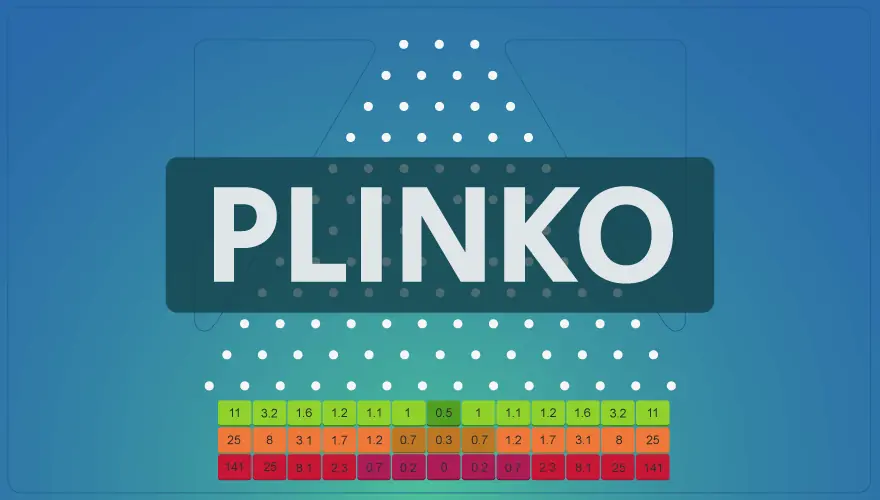
Plinko is a ball-drop gambling game built around a vertical board filled with pins. After the ball is released from the top, it strikes peg after peg and changes direction on the way down until it reaches one of several multiplier pockets at the bottom. Each pocket corresponds to a possible return on the original stake. The center usually contains lower multipliers, while the outer edges often hold the bigger prizes.
The reason this format became so noticeable is not just that it is visually clean. It creates a rare combination of transparency and suspense. The player sees the entire path unfold in real time. There are no hidden reels, no complicated paytable grids, and no need to decode symbol combinations. The event is right in front of you. That visibility gives Plinko a very specific appeal: even though the outcome is still random, it feels easier to follow than many other casino products.
Another reason for its rise is that it fits modern playing habits. Some players want sessions that move fast, give immediate feedback, and do not require much setup. Plinko delivers that. One drop can take only a few seconds. Yet the emotional range is wide. A ball can drift toward a high multiplier, bounce away at the last moment, and create more tension than a standard spin with the same stake. That near-miss feeling is one of the details that makes the format memorable, even when the interface itself looks almost minimal.
I would add one practical observation here: Plinko often attracts two very different audiences at once. New players like it because they understand the rules instantly. Experienced players like it because they can adjust the risk profile and shape the session in a more deliberate way. That overlap is unusual, and it helps explain why the game stays visible across many online casino platforms.
How the core mechanics actually work in Plinko
At a basic level, the game loop is straightforward. The player selects a bet amount, chooses a risk mode, and in many versions also chooses the number of rows. Then the ball is dropped from the top of the board. As it hits each peg, it moves left or right until it reaches the bottom and lands in a multiplier slot. The final multiplier is applied to the original wager.
That sounds simple, but the settings matter a lot. The number of rows affects how many directional changes the ball can make before the result is decided. More rows usually mean a wider spread of possible landing positions and a stronger sense of suspense because the path takes longer to resolve. Fewer rows tend to make outcomes feel quicker and more compact.
The risk setting is even more important. In low-risk mode, the distribution of returns is usually flatter. That means the board is structured to produce more moderate outcomes, with fewer dramatic jumps to the highest multipliers. In high-risk mode, the board becomes more polarized. Small or losing outcomes become more common, while the most extreme multipliers move further into the spotlight. The game is still random either way, but the shape of that randomness changes.
In practical terms, this is what the player is dealing with:
| Setting | What changes | What it means during play |
|---|---|---|
| Bet size | Base amount per drop | Directly affects bankroll pressure and emotional intensity |
| Risk level | Distribution of multipliers | Changes whether the session feels steadier or more swing-heavy |
| Rows | Board depth and spread of outcomes | Influences pacing, path length, and how broad the result range feels |
| Auto-play, if available | Repeated drops without manual input | Can speed up losses or smooth out emotional decision-making |
One important detail many players underestimate is that the visible bouncing is not a skill layer. Watching the ball clip through pegs can create the impression that timing or release position might be exploitable. In regulated versions, the outcome is governed by the game’s random logic, not by player technique. The path is part of the presentation of the result, not a puzzle to solve. That matters because it prevents the wrong mindset from forming early.
Why the game feels exciting and how the session rhythm develops
Plinko builds interest through tempo. There is almost no downtime between decisions and outcomes. You are not waiting through reel animations, bonus intros, or long transition sequences. You make a choice, the ball drops, and the result is settled fast. That direct loop creates a session rhythm that can feel unusually sharp.
The speed, however, is only part of the story. The stronger hook comes from the way anticipation is compressed into a few seconds. The ball remains visible at every stage, and the player can track its movement toward the center or the edges. This creates a kind of micro-drama on each round. Even when the stake is small, the movement itself can make the moment feel larger than it is financially.
In my view, one of the most distinctive things about Plinko is that it turns probability into a visual experience. A slot spin hides its math behind symbols and reel stops. Plinko lets the player watch chance unfold in a physical-looking path. That does not change the underlying randomness, but it changes how the randomness is perceived. Some players find that more engaging. Others find it more frustrating because the path can create a stronger emotional attachment to outcomes that were never under their control.
There is also a practical bankroll effect tied to rhythm. Because rounds resolve quickly, players can go through a session budget much faster than they expect, especially in auto mode or when chasing high multipliers. A format that looks light can produce heavy turnover. That is one of the most important realities to understand before playing Bit kingz casino Plinko or any similar version.
Risk levels, probability profile, and who should take them seriously
Plinko is often described as simple, but its risk structure is not simple in the everyday sense of the word. The player is not just choosing a stake. The player is choosing the shape of the session. That is a major difference.
Low-risk settings usually produce a steadier pattern. Returns tend to cluster closer to the middle of the board, and the extreme multipliers are less central to the experience. This does not mean safe in any absolute way. It means the swings are often less violent, which can make the session easier to manage over time.
Medium-risk settings are where many players settle because they preserve the possibility of a more noticeable hit without turning every sequence into a drought chase. The balance is still volatile compared with many traditional table-game experiences, but it can feel less punishing than the top-risk configuration.
High-risk mode is where Plinko changes character. Here, the game becomes much more dependent on rare outcomes. You may see many low-end landings before one strong result appears, if it appears at all. This mode tends to appeal to players who actively want swing-heavy sessions and accept that long stretches of weak returns are part of the design, not a sign that something is “due.”
- If you prefer longer playtime from a fixed bankroll, lower risk usually makes more sense.
- If you are chasing standout multipliers, understand that the cost is often a rougher session with more dead drops.
- If you dislike sharp variance, Plinko may lose its appeal quickly, especially on higher settings.
The critical mistake is assuming that a simple board equals a gentle experience. In reality, Plinko can be more punishing than it first appears because the structure openly invites players to push for the outer-edge multipliers. The board looks clean. The swings do not have to be.
What players need to know about probabilities and possible outcomes
Probability in Plinko is best understood as a distribution problem. The board is not designed so that every multiplier is equally likely. The central slots are usually easier to reach because there are more possible paths leading there. The edge slots, where the larger multipliers often sit, are harder to hit because the path combinations are narrower. That is the basic mathematical logic behind the format.
For the player, this means two things. First, the highest multipliers are meant to be rare. They are not realistic baseline expectations for an average short session. Second, a board can produce many outcomes that look close to a big hit without actually reaching it. That visual closeness can influence decision-making more than people expect.
I find this especially important for players who come from slots. In slots, rare outcomes are often hidden behind bonus triggers or symbol combinations. In Plinko, the rare outcome is visible at the edge of the board every single round. That constant visibility can make a remote result feel psychologically closer than it really is.
A useful way to frame expectations is this:
| Player expectation | What usually happens in reality |
|---|---|
| “The big multiplier is on the board, so it may come soon.” | Its presence does not imply frequency; it remains a low-probability result. |
| “The ball nearly reached the edge, so the next one might.” | Near-misses do not increase the chance of the next drop landing there. |
| “A simple game should be easier to control.” | The interface is simple, but the outcome distribution can still be harsh. |
That last point is worth underlining. Plinko is one of those formats where visual clarity can mask statistical difficulty. The game explains itself quickly, but that does not mean the results will behave in a predictable or forgiving way.
How Plinko differs from slots and other casino games
The clearest difference between Plinko and a classic online slot is the source of engagement. Slots often rely on theme, symbol design, sound, bonus rounds, and layered pay systems. Plinko strips most of that away. Its appeal is concentrated in one visible event: the descent of the ball and the multiplier at the end. That makes the experience less decorative and more immediate. Those comparing loyalty perks can weigh this section against no deposit bonus codes review.
Compared with roulette, Plinko shares the appeal of a quick result and a visible resolution, but the emotional texture is different. Roulette is about a clean binary or segmented landing point. Plinko adds a path. The route itself becomes part of the entertainment. Compared with blackjack, there is no decision tree after the bet is placed. Compared with crash-style products, there is no cash-out timing decision. The player chooses the setup before the drop, not during it.
This distinction matters because it determines who will enjoy the format. Players who like interactive decision-making during a round may find Plinko too passive. Players who dislike long feature sequences and just want a compact, high-feedback cycle may find it more satisfying than many slots.
From a session-management perspective, Plinko also differs from slots in a subtle way. Slot variance is often hidden behind long stretches of routine spins interrupted by occasional feature bursts. Plinko keeps the tension on the surface every round. There is no need to wait for a bonus to feel the pressure. The pressure is built into the board layout itself.
Practical strengths and limitations of Bitkingz casino Plinko
When I assess Bitkingz casino Plinko as a player-facing product rather than just a piece of content on a casino site, I see a format with clear strengths and equally clear limits. The strengths are real, but they are strongest for a specific type of player.
Main strengths:
- Instant clarity. The rules are easy to grasp, which lowers the barrier to entry.
- Fast feedback. Each round resolves quickly, making the experience feel active.
- Visible probability drama. The moving ball creates tension in a way many static result formats do not.
- Configurable session style. Risk levels and row settings can change the feel of play in meaningful ways.
Main limitations:
The same speed that makes Plinko engaging can also make it repetitive or expensive. If a player needs variety, progression, or narrative features, the format can start to feel one-note. The visible path is exciting, but the underlying action remains the same from round to round. There is also no skill component to balance out the randomness, so players looking for strategic depth may lose interest.
Another practical issue is emotional distortion. Because the ball travels in a visible arc and often comes close to the edge, near-misses can feel more significant than they are. This can encourage extended play for the wrong reason. In that sense, Plinko is psychologically different from many reel-based products. It can create a stronger “almost had it” effect without offering any real adjustment the player can make to improve the next outcome.
One observation I think deserves more attention is this: Plinko can feel calmer than a slot on mute, yet more intense than a slot in motion. That sounds contradictory, but it is accurate. The screen is clean and the concept is stripped down, while the emotional spike on each drop can still be sharp. That contrast is part of the game’s identity. When the support team feels slow, Bitkingz Casino free chips page for detailed casino comparison explains the fastest ways to reach them.
Who Plinko suits best and who may prefer another format
Plinko tends to suit players who enjoy fast cycles, clear visuals, and immediate results. It also works well for those who like adjusting the tone of a session through risk settings rather than through switching between very different games. If you are the kind of player who wants to feel the impact of each wager quickly, this format makes sense.
It may be a poor fit for players who prefer extended bonus structures, story-driven slots, or games where strategy affects the outcome after the round begins. If you get bored by repetition, Plinko may not hold your attention for long. If you are sensitive to variance, high-risk boards can become frustrating very quickly.
I would frame the fit in simple terms:
- Good match: players who want direct action, short sessions, and adjustable intensity.
- Mixed match: players who enjoy slots but expect the same variety of features and pacing layers.
- Poor match: players who want strategic control, gradual progression, or low emotional swing.
For New Zealand players in particular, that practical self-assessment matters more than the trend value of the format. Plinko is not automatically a better choice because it is visible on modern casino platforms. It is a better choice only if its pace and variance profile fit the way you actually like to play.
What to check before launching a session
Before starting a session on Bitkingz casino Plinko, I would pay attention to a few specific points rather than jumping straight into the highest multiplier setup.
- Check the risk mode first. This has more impact on your experience than many players expect.
- Look at the row configuration. More rows can increase the sense of spread and suspense.
- Set a session budget before auto-play. Fast repetition can erase discipline if you do not define a limit in advance.
- Use demo mode if available. It helps you understand the rhythm without confusing familiarity with profitability.
The demo point is especially useful. Not because it reveals a secret, but because it shows how the session actually feels over time. A lot of players like the first few drops and assume they will enjoy a longer run. Sometimes they do. Sometimes they realise that the format is more repetitive or more swing-heavy than expected. That is a useful distinction to discover before real money is involved.
Another small but important observation: the clean interface can lower caution. When a game looks simple, players often make decisions faster and with less reflection. In Plinko, that can be a costly habit, because the speed of the rounds amplifies every impulsive choice.
Final verdict on Bitkingz casino Plinko
Bitkingz casino Plinko offers a very specific kind of gambling experience. It is not built around story, complex features, or strategic play. That directness is its main strength. It is built around visible randomness, fast outcomes, and the tension of watching a ball move toward a multiplier that may be modest, disappointing, or occasionally much larger.
What I like about Plinko is that it does not hide what it is. The format is easy to read, the session style can be adjusted through risk settings, and the emotional hook is immediate. For players who want quick rounds and a clear sense of outcome on every drop, it can be genuinely engaging. For players who value variety, tactical decisions, or a slower rhythm, it may feel too narrow.
The caution point is just as clear. Plinko can look harmless because the interface is minimal and the rules are easy to understand. In reality, the experience can become highly volatile, especially on aggressive settings. The biggest multipliers are designed to be rare, near-misses can distort judgment, and the pace can accelerate losses faster than expected. Before you make a deposit, it is worth reading complete Bitkingz Casino safety review for the fee and speed details.
So, is it worth trying? Yes, if you want a compact, high-feedback format and you understand that simplicity on the screen does not mean softness in the results. If you expect deep strategy or layered slot-style progression, you will probably be better served elsewhere. In short, Plinko works best for players who appreciate clean design, quick decision loops, and controlled exposure to variance. For that audience, it has real value. For everyone else, its appeal can fade just as quickly as the ball drops.
FAQ
How does Plinko work in Bitkingz when the ball is released?
A ball drops from the launcher and bounces through pegs until it lands in a scoring slot. Each landing zone is linked to a multiplier, which determines the win amount based on the selected bet. Risk increases when higher bet levels are used, so the multiplier swings can feel more intense.
What does the risk level mean for a Plinko session and how should it affect the bet size?
Plinko uses multipliers across different outcomes, so results can vary quickly from one ball to the next. When the game shows a higher risk level, it typically indicates wider potential win ranges for the same bet. Lower bets help control session exposure while still learning the game flow.
Which game controls are needed to start Plinko right away: bet amount, ball count, and auto-play?
Choose the bet amount and adjust ball count if the option is shown. Auto-play repeats ball drops until the set stop condition is reached, which is useful for quick testing. A practical check is to confirm the selected bet and auto-play limit on the bet panel before releasing the first ball.
Can Plinko be played on mobile in the browser without the casino mobile app?
Plinko is available for mobile play through the site layout that adapts to phones. The game controls are designed for touch, but display size can affect how clearly the multiplier zones are shown. A good check on a small screen is to zoom only if needed and confirm the multiplier display remains readable before starting.
Where is the Plinko game lobby located after logging in to the Bitkingz casino account?
From the casino games menu, Plinko can be opened under the casino games section and launched in a dedicated game window. If more than one category is shown, the Plinko tile or search filter will lead directly to the game. Returning users usually reach it faster from the games menu than from the homepage.
What happens to Plinko after a deposit or when bonus funds are present on the account balance?
Bonus funds, if active, may change which balance is used for wagering in real-money play. Plinko results still depend on the selected bet and multiplier zones, but bonus terms can restrict eligible wagering. A practical check is to review the live bonus terms panel in the cashier area before continuing play with bonus balances.
What should be done if Plinko does not load, stays on a loading screen, or the controls appear frozen?
Start by refreshing the game window or reopening the Plinko tab from the games lobby. If the issue persists, clearing the browser cache for the casino site can help. Logging out and signing back in may also restore a stable session, especially if a working mirror connection changed.
If access fails due to a mirror issue, how can a working mirror be found without losing the account login?
Use the alternative connection option offered on the official site page if a mirror is displayed there. The account login should remain the same, but the game may need to be relaunched after switching. A practical check is to log in again only if the session indicator shows the user is signed out.
When registration or login is required before playing Plinko, what verification step could stop game launch?
Account verification may be required to enable real-money play or full cashier features. If verification is pending, the game might still open in demo mode while withdrawals or some balance actions are restricted. A practical check is to confirm the verification status in the account settings before switching to real-money play.
What is the fastest way to recover access if the casino login works on the account page but not inside the Plinko window?
Sign out from the casino and sign back in so the Plinko window receives the active session. Then reopen Plinko from the games lobby rather than using an old tab. If the issue repeats, a mirror switch via the official site connection options can help re-establish a working game session.
